Press M to toggle
Twenty-six minutes of customer-facing downtime in a year, one long polar night and a lot of fans. What the first full year in Narvik taught us.

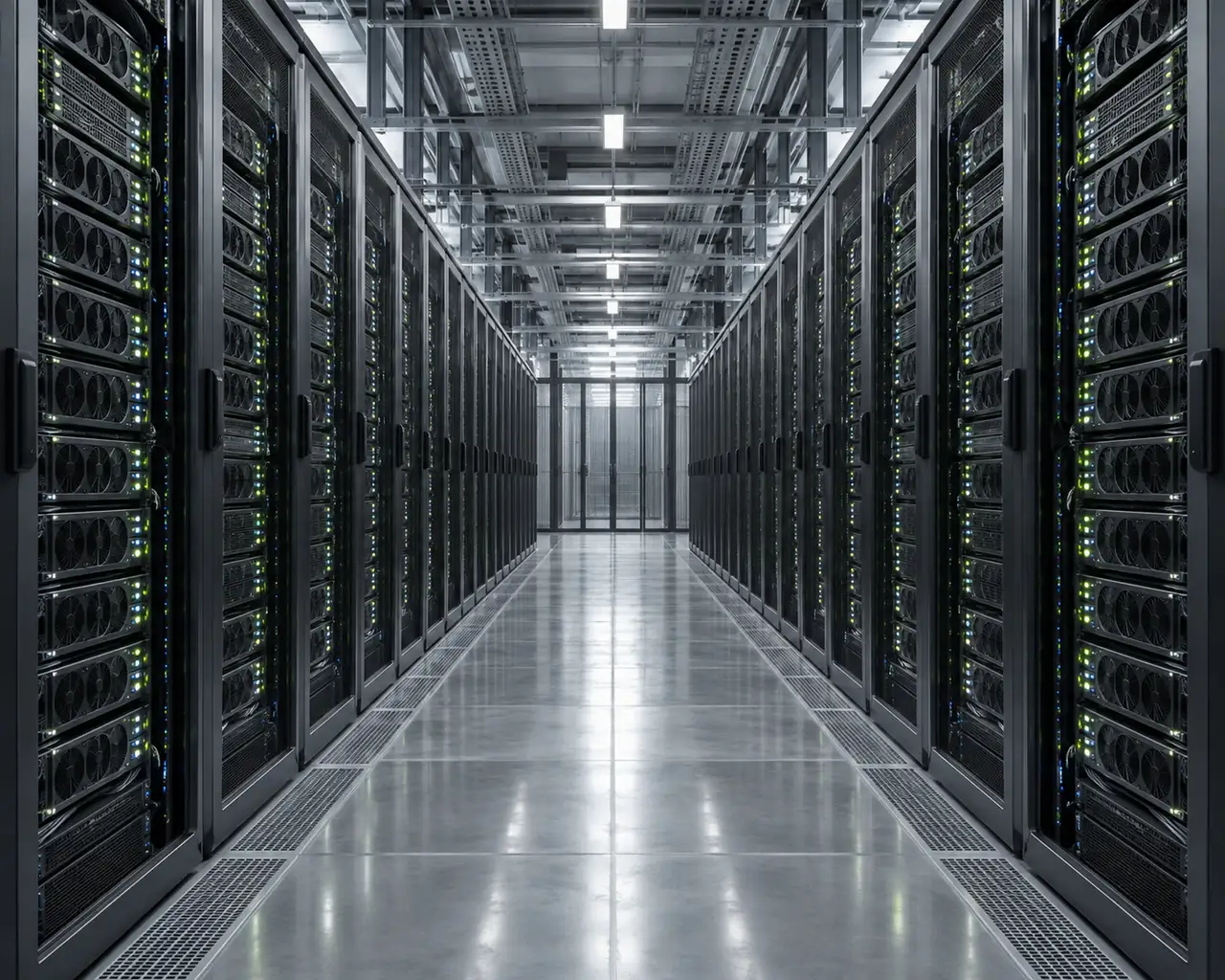
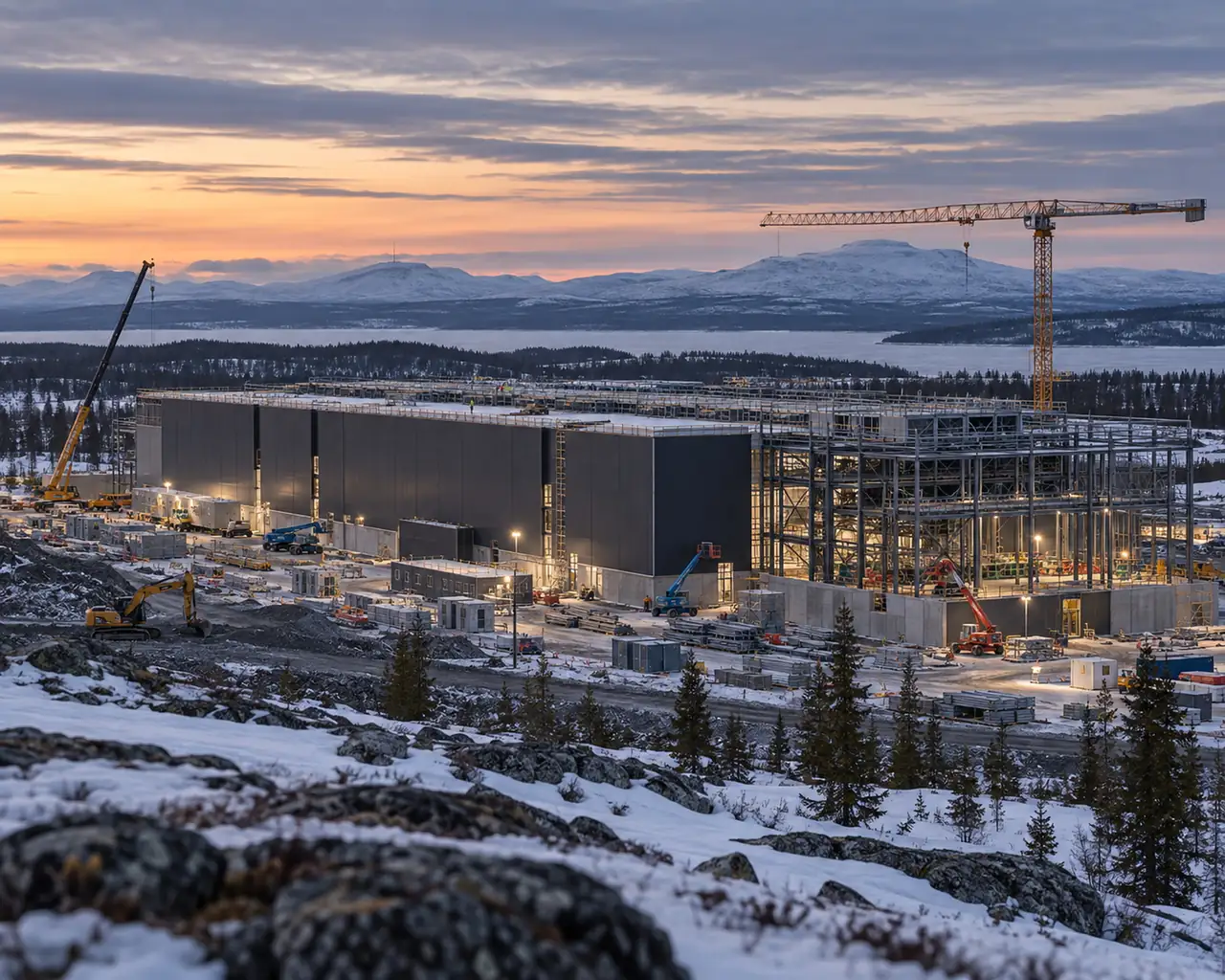
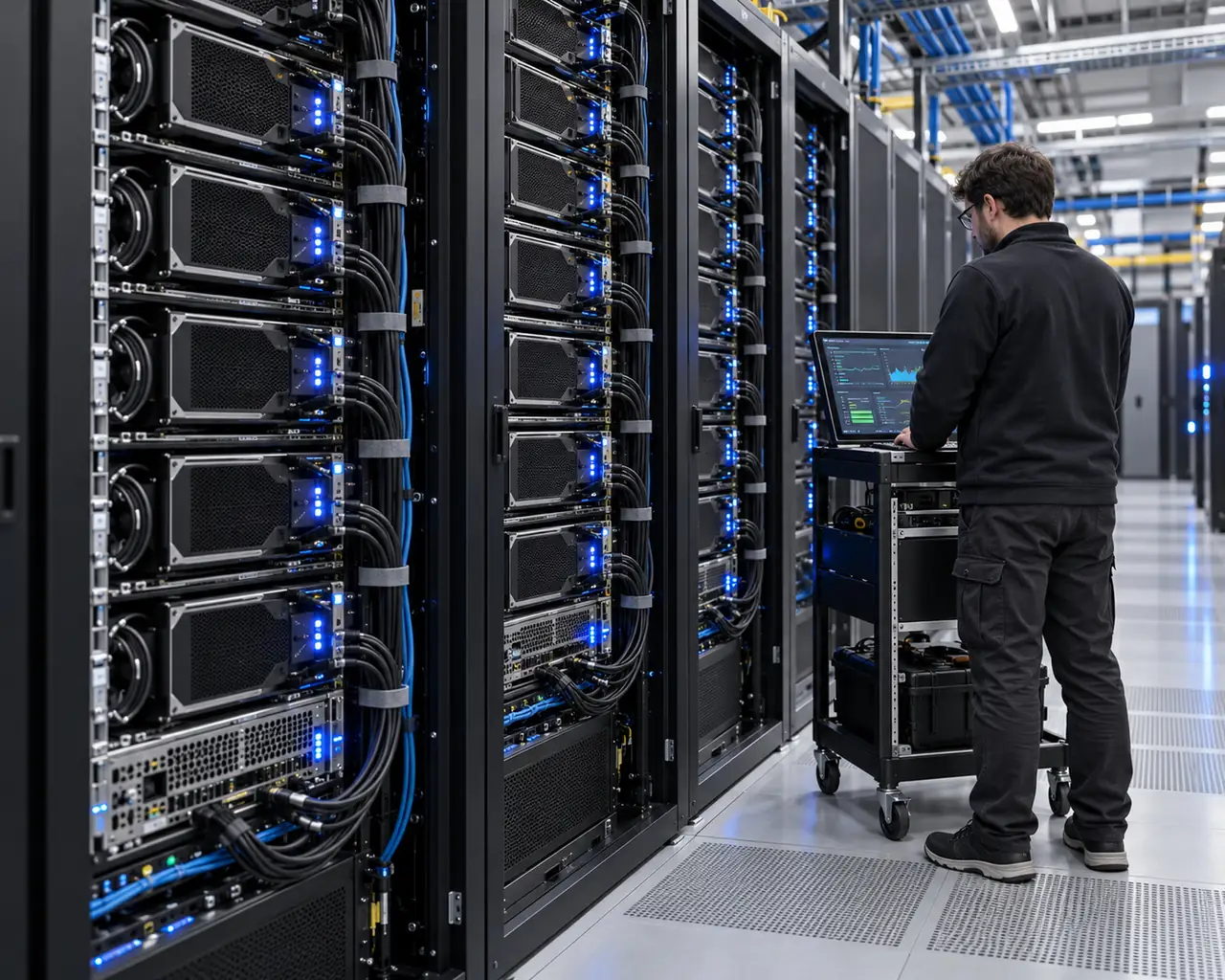
Hall A has now run for twelve months with customers on the floor. Over that year, measured from the customer side of the network, the hall was available 99.995% of the time. That is about 26 minutes of downtime, spread across two events.
The first was a firmware fault in a top-of-rack switch in November that took one row offline for 17 minutes. The second was a planned grid transfer in April that ran nine minutes longer than its window. Both have public post-mortems, and both changed how we work: switch firmware now rolls out one row per day, and grid transfers run on the generator side first.
Polar night lasted from early December to early January. Outside air averaged −8 °C over the winter, with a low of −24 °C in February. The intake louvres iced twice, and both times the recirculation loop cleared them before inlet temperatures moved.
Summer was the bigger test. We saw eleven days above 20 °C outside, and the hall stayed inside its inlet target on all of them without a compressor.
Write everything down, walk the aisle every morning and keep the hall boring. The most useful tool of the year was a shared notebook in which every technician logs what they touched and why. Next year that habit moves to Kiruna with the first N-02 team.
Run on Arctic air and hydro from $1.46 per GPU-hour. An engineer replies within one working day.